
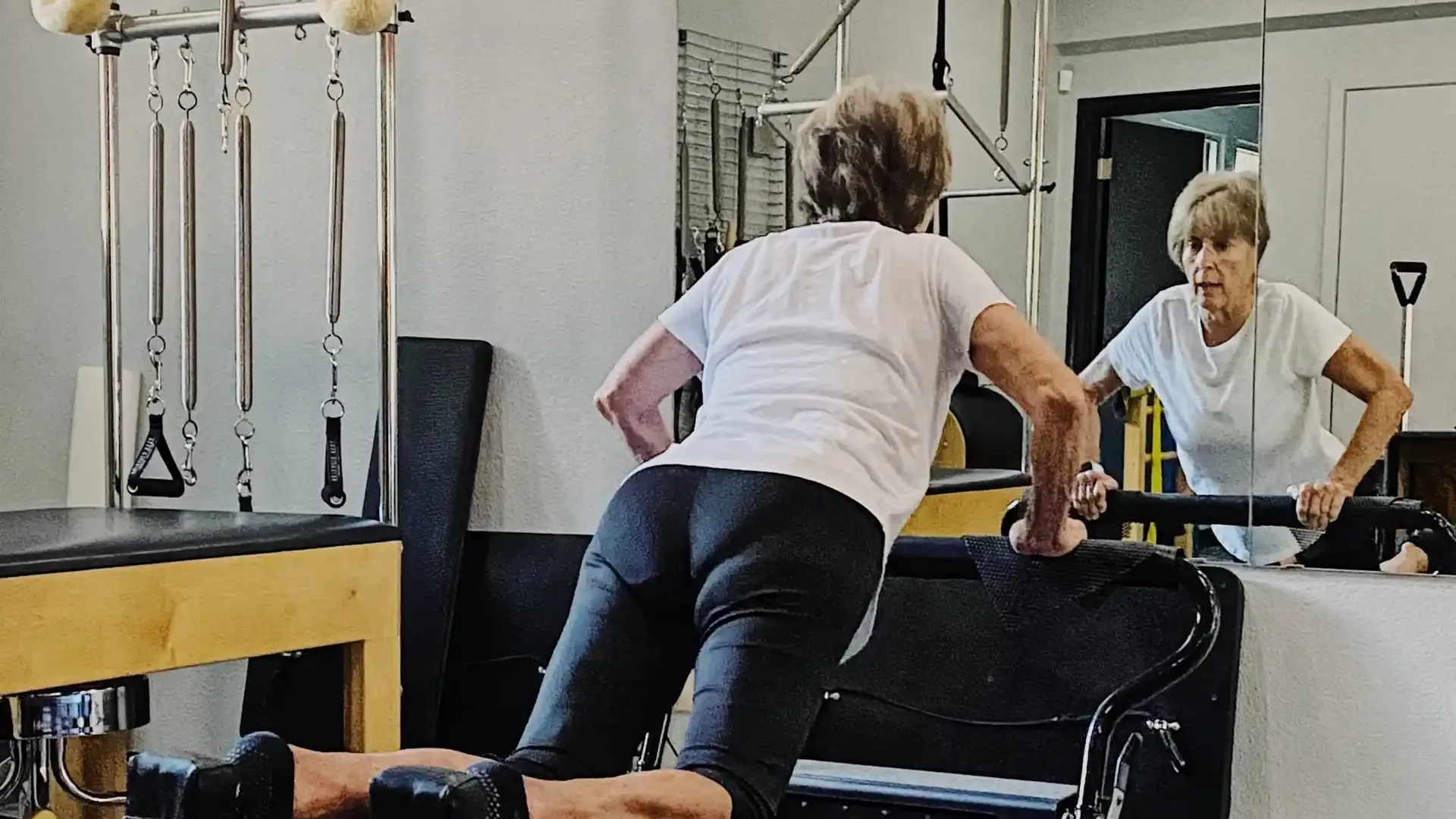
The shoulder trades stability for reach.
The shoulder is the most mobile joint you have, and it pays for that range with a shallow socket. Stability comes from soft tissue rather than bone: the rotator cuff, the joint capsule, and the muscles that position your shoulder blade on the rib cage. When one part of that system stops holding up its end, the joint starts to complain.
That is why shoulder pain so often begins somewhere other than the shoulder. A mid back that will not extend, a shoulder blade that tips forward, or a neck referring pain down the arm can all present as a shoulder problem. Your therapist looks at the whole region before deciding what is actually producing the pain.
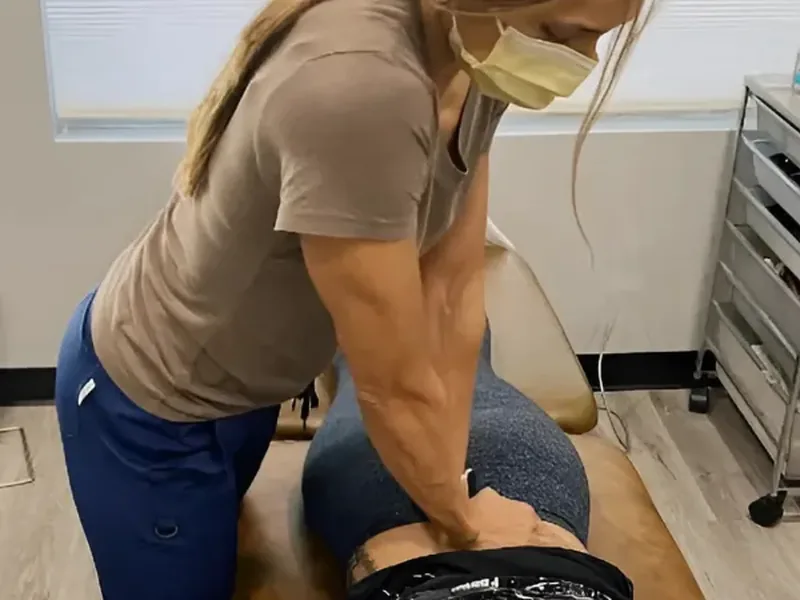
How shoulder problems usually announce themselves.
Which movements hurt, and when, points toward the structures involved. Two situations are not physical therapy problems: shoulder pain right after a fall with sudden, complete weakness, and left shoulder pain that arrives with chest tightness, shortness of breath, or sweating. Both need a physician, and the second needs emergency care.
Pain Partway Up
A band of pain as you raise your arm out to the side, which eases again once you get past it.
Trouble Overhead
Reaching a top shelf, washing your hair, or lifting a bag into a cabinet turns into something you plan around.
Waking You at Night
Waking because you rolled onto that side, then struggling to find any position that lets you get back to sleep.
Reaching Behind Your Back
Pain or a hard stop when you fasten a seatbelt, tuck in a shirt, or reach for a back pocket.
Catching or Clicking
A click, grind, or brief catch as the arm rotates, sometimes with a sense that the joint is not tracking smoothly.
Range That Shrinks Month by Month
Motion quietly getting smaller in every direction, the pattern most typical of a joint capsule that is stiffening.
Restore the range, then earn the strength back.
Assessment covers the shoulder joint, the shoulder blade, the mid back, and the neck, because all four decide how well your arm moves. Your licensed physical therapist tests strength and range directly and watches what your shoulder does during the exact movements you came in complaining about.
Hands-on work opens up what is restricted and quiets what is irritated. Then rotator cuff and shoulder blade strengthening rebuilds control, progressed slowly enough that the tendons can keep up. Pilates-based work on the reformer and tower suits this well, because it lets us load the shoulder in supported positions long before free weights would be tolerable.
No referral needed to start in Texas. We are in-network with six major carriers, and most patients are seen within 48 business hours or less.
In a patient's own words.
"I have attended physical therapy for back and shoulder problems since 2014. Presently, I am attending therapy for shoulder surgery some months ago."Edna L. · Long-Term Shoulder Patient
Request Your Visit
In Texas you can see a licensed physical therapist without a doctor's referral for up to 10 consecutive business days. We are in-network with Aetna, Blue Cross Blue Shield, Humana, Medicare Part B, Tricare and United Healthcare.
Tell us which movements your shoulder will not do. We call back to confirm a time and check your benefits before you arrive, usually within 48 business hours.
Thank you.
Andrea will call you back to confirm a time and verify your insurance benefits. If you would rather talk it through now, call the clinic directly.